Wondering if dumbbells for kids are safe? The short answer: yes — when kept light, fun, and supervised. From boosting confidence to improving posture, the right set (like our light dumbbells) makes fitness playful and safe. Keep reading to discover exercises, safety tips, and brand picks!
Why Dumbbells Are Good for Kids
Benefits — strength, posture, coordination, bone health
Dumbbells for kids are more than mini weights — they’re tools for growth. Light resistance helps improve posture, coordination, and bone density. Even simple curls or squats can boost strength while laying the foundation for lifelong fitness. Think of them as training wheels for healthy movement.
Confidence, discipline & fun in training
Kids light up when they see progress. A few extra reps or a new exercise mastered builds confidence in ways school sports sometimes can’t. Dumbbells add structure, discipline, and — with a playful twist — fun. When workouts feel like games, kids stay active without realizing they’re training.
Myths about weightlifting for children debunked
The old belief that all strength training stunts growth is outdated. Age-appropriate resistance training can be beneficial when it is properly supervised and focused on technique rather than maximal lifting. Light loads, controlled movement, and qualified instruction should always come first.
Strength Training for Kids — What Parents Should Know
How resistance training differs from bodybuilding
Strength training for kids isn’t about bulging muscles or bodybuilding contests. Instead, it’s about teaching proper movement, improving coordination, and building resilience. Lighter dumbbells create a safe way for kids to move better, not just “get bigger.”
Importance of supervision & correct technique
Supervision is everything. Children copy what they see, so demonstrating proper form first prevents bad habits. Correcting grip, posture, and pace ensures every rep is safe and effective. Think of it as teaching them to write neatly before handing them a pen.
Why light dumbbells can work well for kids
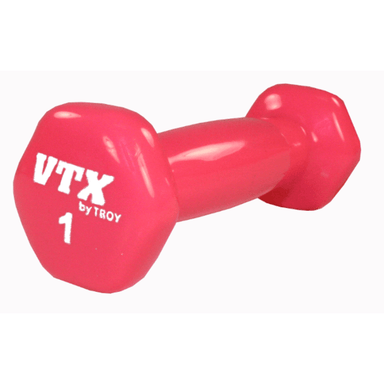
Many gym machines are sized for adults, while light fixed dumbbells can be easier to scale to a child’s size and ability. Neither option is automatically safe without supervision, proper fit, and correct technique. For lighter resistance, consider a compact option such as the VTX GTD Neoprene Textured Hex Dumbbell.
What Age Can Kids Use Dumbbells Safely?
Developmental readiness matters more than a fixed age
Children may be ready for basic resistance training when they can follow instructions, maintain balance, and perform simple movements with control. Readiness, supervision, and technique are more important than choosing one universal starting age.
Signs kids are ready — coordination, ability to follow form
If your child can perform squats or push-ups with solid form, they’re ready to add light weights. Coordination and focus are better indicators than age alone.
Consulting doctors, trainers, and safety guidelines
A quick chat with a pediatrician or coach can ease concerns. Professional advice helps parents set safe limits and know when to progress.
Safety note: Children with an injury, medical condition, pain during exercise, or limited movement should receive guidance from an appropriate healthcare professional before beginning a new strength-training routine.
Safe Kids Dumbbell Exercises
Seated & Standing Moves
Seated curls, overhead presses, side raises
Seated exercises can help kids stay stable and focus on control. Bicep curls or carefully supervised presses with a light option such as the VTX GTD Neoprene Textured Hex Dumbbell can help teach proper movement.
Standing squats, rows, lunges
Standing moves like squats and rows help kids connect strength to real-world motion. These exercises improve balance, agility, and everyday coordination.
Fun Game-Based Dumbbell Drills
Relay-style or timed circuits
Turn dumbbell workouts into games — relays, timed circuits, or partner challenges. Kids will laugh, sweat, and train without ever asking, “Are we done yet?”
Core & Stability Work
Light carries, torso twists, balance exercises
Carrying light weights across the room or twisting with control builds core strength. These simple moves improve stability and reduce the risk of injuries during sports or play.
Light Dumbbell Workouts for Kids at Home
Beginner routine with 1–3 kg dumbbells
Start with a light resistance that the child can control comfortably. Coated options such as the VTX GTD Neoprene Textured Hex Dumbbell may be easier to grip and manage during supervised home workouts.
Short sessions (10–15 mins) for energy & focus
Kids don’t need hour-long sessions. A quick 15-minute workout two to three times a week boosts strength while keeping it fun and engaging.
When to add reps vs. weight
Always increase reps and sets before moving up in weight. This builds consistency, protects joints, and helps reinforce technique.
Dumbbells for Child Athletes
How light resistance helps sports like soccer, basketball, gymnastics
For child athletes, dumbbells are performance boosters. A few curls, lunges, or carries can translate into stronger shots, better balance, and more endurance on the field or court.
Injury prevention through balanced strength
Strength training balances the body. Kids who use dumbbells develop muscles evenly, reducing the risk of overuse injuries from repetitive sports movements.
Functional moves that transfer to performance
Carrying dumbbells mimics real-life motions — like sprinting while holding gear or maintaining balance under pressure. This functional strength gives kids an edge in sports.
Choosing the Right Dumbbells for Kids
Light fixed dumbbells (rubber, neoprene, coated)
Examples: neoprene and rubber-encased dumbbells
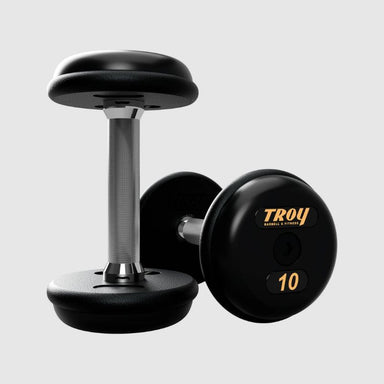
Coated fixed dumbbells can provide a more comfortable grip and help protect floors. Compare the VTX GTD Neoprene Textured Hex Dumbbell for lighter resistance. For older or more experienced youth training under qualified supervision, options such as the TROY TSD-R 12-Sided Rubber Encased Dumbbells and VTX SD-R 8-Sided Rubber Encased Hex Dumbbells offer broader weight selections.
Compact adjustable dumbbells for older kids
Options: PowerBlock, Body Solid, BodyKore
Adjustable dumbbells may provide room for progression, but they require careful supervision and secure locking mechanisms. Confirm that the child can operate the system safely and maintain proper form before increasing resistance.
Safety features: grip, coating, rounded edges
Look for dumbbells with non-slip grips and rounded edges. Small design details make a big difference in keeping kids safe.
Common Mistakes Parents Should Avoid
Letting kids lift too heavy too soon
Jumping straight to heavy weights is a recipe for poor form and injuries. Patience always beats ego lifting.
Ignoring warm-ups & recovery
Skipping warm-ups is like sprinting without tying your shoes — it won’t end well. A few stretches or mobility drills should be non-negotiable.
Making workouts too long or too serious
Workouts should feel fun, not forced. Keep sessions short, creative, and playful to build lifelong enthusiasm for fitness.
FREQUENTLY ASKED QUESTIONS ABOUT DUMBBELLS FOR KIDS
ARE DUMBBELL EXERCISES SAFE FOR KIDS?
Dumbbell exercises can be appropriate for kids when the resistance is light, the movements are taught correctly, and a qualified adult provides close supervision. Children should focus on controlled technique rather than lifting the heaviest weight possible. Proper instruction, supervision, and gradual progression are essential.
WHAT AGE CAN KIDS START USING DUMBBELLS?
There is no single starting age that applies to every child. A child may be ready when they can listen to instructions, maintain balance, control basic movements, and complete exercises without losing proper form. Developmental readiness and supervision are more important than age alone.
WHAT WEIGHT DUMBBELLS SHOULD KIDS USE?
There is no universal dumbbell weight based only on age. Start with no weight or a very light dumbbell that the child can control without straining, rushing, or changing posture. Resistance should increase gradually only after the child consistently demonstrates proper technique.
HOW MUCH SHOULD A 10-, 11-, OR 12-YEAR-OLD LIFT WITH DUMBBELLS?
The appropriate weight depends on the child’s coordination, experience, exercise selection, and ability to maintain proper form—not simply their age. Avoid assigning one kilogram target to every child of the same age. Technique should never be sacrificed to increase resistance.
WHAT ARE GOOD DUMBBELL EXERCISES FOR KIDS AT HOME?
Simple options may include seated curls, supported rows, squats to a chair, and short carries. Keep the workout brief, provide enough space around the child, and stop the exercise if they experience pain or cannot maintain proper form.
HOW OFTEN SHOULD KIDS USE DUMBBELLS?
Beginner resistance training may be performed two or three times per week on nonconsecutive days, allowing time for recovery. Sessions should remain supervised, age-appropriate, and focused on learning movement skills rather than training to exhaustion.
WHAT TYPE OF DUMBBELLS ARE BEST FOR KIDS?
Look for light fixed dumbbells with clearly marked weights, comfortable grips, secure heads, and coatings that are easier on hands and floors. A lighter option such as the VTX GTD Neoprene Textured Hex Dumbbell may be easier to control during supervised beginner exercises.
WHERE CAN I FIND LIGHT DUMBBELLS FOR KIDS?
You can browse dumbbells from Dumbbells Direct to compare lightweight coated dumbbells, individual pairs, and other fixed-weight options. Choose resistance according to the child’s ability, movement control, and qualified guidance. For extra-soft coated options, see our full range of neoprene-coated dumbbells.
Final Thoughts — Raising Strong & Healthy Kids
Recap of safe training guidelines
Dumbbells for kids are safe when used correctly. Light weights, proper form, and supervision are the keys to long-term success.
How to build consistency & make exercise fun
Mix training with games, challenges, and variety. When kids enjoy workouts, they’ll stick with them naturally.
Why dumbbell workouts for kids are about health, not heavy lifting
The goal isn’t bodybuilding — it’s helping kids develop confidence, movement skills, and healthy activity habits. Dumbbells can be one tool within a supervised and age-appropriate program.
Looking for an appropriate starting option? Browse dumbbells at Dumbbells Direct and compare lighter coated dumbbells, individual pairs, and weight options. Always select resistance based on the child’s ability, technique, and qualified guidance.





Leave a comment